

Concrete Pouring and Finishing Explained: Expert Concrete Finishing Services
- Solid Prime Tile & Stone Inc.
- Mar 23
- 5 min read

Concrete is a fundamental material in construction, valued for its durability, versatility, and cost-effectiveness. However, the quality of a concrete structure depends heavily on the processes of pouring and finishing. These stages require precision, knowledge, and skill to ensure the final product meets both aesthetic and structural standards. This article provides a detailed explanation of concrete pouring and finishing, focusing on best practices and technical considerations relevant to homeowners and commercial clients in California.
Understanding Concrete Finishing Services
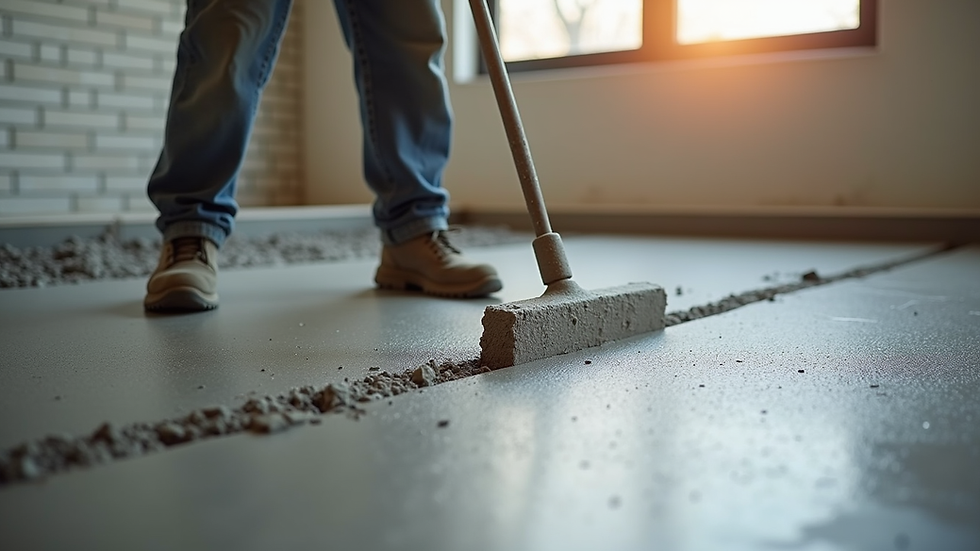
Concrete finishing services encompass the techniques and procedures used to smooth, level, and texture freshly poured concrete surfaces. These services are essential to achieve a surface that is not only visually appealing but also functional and long-lasting. The finishing process begins immediately after the concrete is poured and involves several steps, including screeding, floating, troweling, and curing.
Screeding is the initial step where excess concrete is removed, and the surface is leveled using a straightedge. This ensures a uniform thickness and flatness. Following screeding, floating is performed to compact the surface and bring finer particles to the top, creating a denser and smoother finish. Troweling further refines the surface, producing a hard, polished finish suitable for indoor floors or decorative applications.
Proper curing is critical to prevent cracking and ensure the concrete reaches its intended strength. This involves maintaining adequate moisture and temperature conditions for a specified period, typically several days. Various curing methods include water spraying, covering with wet burlap, or using curing compounds.
Essential Equipment and Materials for Concrete Pouring and Finishing
The success of concrete pouring and finishing depends on the appropriate selection and use of equipment and materials. The concrete mix itself must be carefully designed to suit the specific application, considering factors such as strength, workability, and environmental conditions.
Common equipment used during pouring includes concrete mixers, wheelbarrows, vibrators, and pumps. Mixers ensure a homogeneous blend of cement, aggregates, water, and additives. Vibrators are employed to eliminate air pockets and improve compaction, which enhances the concrete's strength and durability.
For finishing, tools such as screeds, floats, trowels, edgers, and groovers are indispensable. Each tool serves a distinct purpose in shaping and texturing the surface. For example, edgers create smooth, rounded edges to prevent chipping, while groovers introduce control joints that help manage cracking due to shrinkage.
Material additives may be incorporated to modify the concrete's properties. These include plasticizers to improve flow, retarders to delay setting time in hot climates, and fibers to increase tensile strength and reduce cracking.

What is the 10/20/30/40 Rule When Making Concrete?
The 10/20/30/40 rule is a guideline used in concrete mix design to balance the proportions of cement, water, and aggregates for optimal performance. This rule helps ensure the concrete achieves the desired strength, workability, and durability.
10% refers to the maximum allowable air content in the mix, which affects workability and freeze-thaw resistance.
20% represents the approximate water content relative to the total weight of the mix, critical for hydration and strength development.
30% is the proportion of fine aggregates (sand) in the total aggregate content, influencing the concrete's texture and finish.
40% corresponds to the coarse aggregates (gravel or crushed stone), providing bulk and structural integrity.
Adhering to this rule assists in producing a balanced mix that minimizes shrinkage and cracking while maintaining ease of placement and finishing. Adjustments may be necessary based on specific project requirements, environmental conditions, and the type of concrete finishing services employed.
Best Practices for Effective Concrete Pouring and Finishing
Achieving a high-quality concrete surface requires meticulous attention to detail throughout the pouring and finishing stages. The following best practices are recommended:
Preparation of the Site
Ensure the subgrade is properly compacted and free of debris. Formwork must be secure and correctly aligned to contain the concrete.
Mix Consistency
Use a concrete mix with appropriate slump to balance workability and strength. Avoid excessive water, which can weaken the concrete.
Timely Placement
Pour concrete continuously to prevent cold joints. Use vibrators to consolidate the mix and remove trapped air.
Controlled Finishing
Begin finishing operations only after bleed water has evaporated to avoid surface defects. Use the correct sequence of screeding, floating, and troweling.
Curing and Protection
Implement curing methods promptly to maintain moisture. Protect the surface from extreme weather conditions, such as direct sunlight or freezing temperatures.
Safety Measures
Employ appropriate personal protective equipment and follow safety protocols to prevent accidents during pouring and finishing.
By following these guidelines, the longevity and appearance of concrete installations can be significantly enhanced, meeting the expectations of both residential and commercial projects.
Factors Influencing Concrete Pouring and Finishing in California
California's diverse climate and seismic activity present unique challenges for concrete work. Temperature fluctuations, humidity levels, and soil conditions must be considered when planning concrete pouring and finishing.
Temperature Control
High temperatures accelerate concrete setting, requiring the use of retarders or cooling techniques. Conversely, cold weather may necessitate heating the mix or using accelerators.
Seismic Considerations
Reinforcement and joint placement must comply with local building codes to withstand seismic forces.
Environmental Regulations
Compliance with California's environmental standards is essential, particularly regarding water usage and waste disposal during construction.
Selecting experienced professionals familiar with regional conditions ensures that concrete finishing services are executed with precision and compliance.
Enhancing Durability and Aesthetics Through Finishing Techniques
Concrete finishing is not solely about functionality; it also offers opportunities to enhance the visual appeal of surfaces. Various finishing techniques can be applied depending on the intended use and design preferences.
Broom Finish
Creates a textured, slip-resistant surface ideal for outdoor walkways and driveways.
Stamped Concrete
Mimics the appearance of stone, brick, or tile, providing decorative options for patios and commercial spaces.
Exposed Aggregate
Reveals the natural beauty of aggregates by removing the top layer of cement paste, offering a rugged and attractive finish.
Polished Concrete
Produces a glossy, reflective surface suitable for interior floors with high foot traffic.
Each technique requires specific tools and timing during the finishing process. Proper execution ensures durability while meeting aesthetic goals.
Final Considerations for Successful Concrete Projects
The integration of precise techniques, quality materials, and environmental awareness is essential for successful concrete projects. Engaging skilled contractors who understand the nuances of concrete pouring and finishing can prevent common issues such as cracking, uneven surfaces, and premature deterioration.
For those seeking reliable and expert concrete finishing services, it is advisable to verify credentials, review past projects, and ensure adherence to industry standards. Proper planning and execution will result in concrete installations that stand the test of time, enhancing the value and functionality of any property.
In summary, the process of concrete pouring and finishing demands a comprehensive approach that balances technical knowledge with practical application. This ensures that concrete surfaces are not only structurally sound but also visually pleasing and suited to their intended environment.


Comments